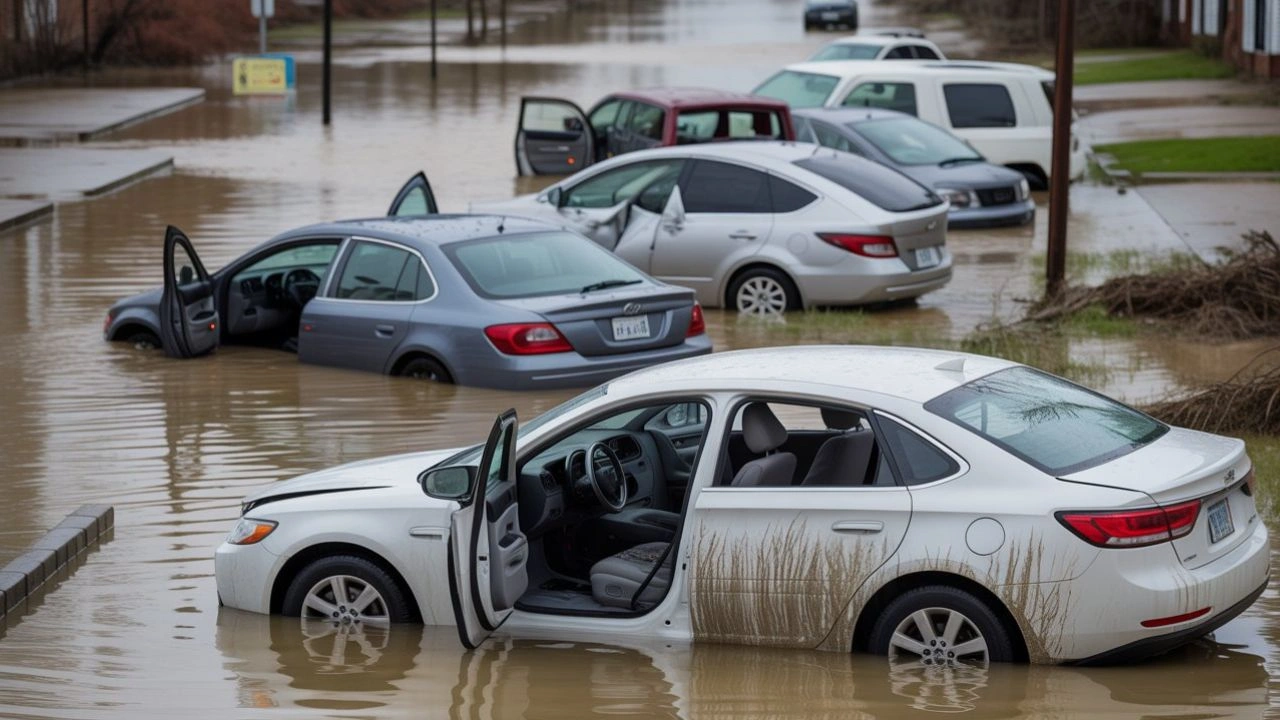
Flood-Exposed Vehicles: Floods are among the most destructive natural disasters for vehicles. Unlike accidents or visible mechanical failures, flood damage is often hidden, slowly destroying a car from the inside out. Many vehicles that look “perfectly fine” after a flood go on to develop electrical failures, corrosion, engine damage, and safety system malfunctions months later.
Whether your car was submerged during heavy rains, caught in urban waterlogging, or exposed to rising floodwaters in a parking area, what you do immediately—and how thoroughly you inspect it—determines whether the vehicle can be safely saved or becomes a financial nightmare.
This detailed, Google Discover–optimised guide provides a step-by-step post-water damage inspection checklist. It is written to help owners, buyers, and mechanics identify flood damage early, reduce repair risks, protect safety, and avoid resale fraud.
Why Flood Damage Is So Dangerous for Vehicles
Flood damage is not just about water—it’s about contamination, corrosion, and compromised electronics.
What Makes Flood Damage Unique
- Water enters sealed systems
- Mud, sewage, and chemicals accelerate corrosion
- Electrical shorts may appear weeks or months later
- Modern cars rely heavily on sensors and control units
A flood-exposed car can fail long after it appears “fixed.”
First Rule After Flood Exposure: Do NOT Start the Vehicle
If your vehicle has been in floodwater—especially above wheel level—do not attempt to start it.
Why This Is Critical
- Water in the engine can cause hydrolock
- Starter motor engagement can destroy internal components
- Electrical shorts can permanently damage ECUs
Starting a flooded engine can turn a repairable car into a total loss.
Read Also: Skoda Superb 2026: The Ultimate Executive Sedan Returns Stronger Than Ever
Step 1: Determine the Flood Water Level (Most Important)
The extent of damage depends heavily on how high the water reached.
Check These Reference Points
- Bottom of doors → moderate risk
- Seat rails or carpets → high risk
- Dashboard or steering column → severe damage
- Above dashboard → almost always a total loss
Why Water Level Matters
- Below floor: mechanical components affected
- Above floor: electronics and safety systems compromised
- Dashboard-level: airbag modules and ECUs damaged
Document the water level with photos if insurance is involved.
Step 2: Exterior Inspection (Before Opening Anything)
Start with a calm, systematic walk-around.
What to Look For
- Mud lines on body panels
- Debris trapped in grilles and wheel arches
- Silt in headlights or tail lamps
- Rust starting around door hinges
These signs help confirm how long and how deep the vehicle was submerged.
Step 3: Interior Inspection (Critical Red Flags)
The interior often reveals flood exposure even when cleaned.
Carpets and Flooring
- Lift floor mats and carpets
- Check for dampness, mud, or odor
- Inspect under-seat rails for rust
Seats and Upholstery
- Check seat foam for moisture
- Look for water stains under seat covers
- Inspect electric seat motors (if equipped)
Smell Test (Very Important)
- Musty or moldy smell = water intrusion
- Strong deodorizer smell = possible cover-up
Persistent odor is one of the hardest flood issues to fix.
Step 4: Electrical System Inspection (The Silent Killer)
Modern vehicles depend on electronics—and water is their enemy.
Dashboard & Controls
- Check for warning lights
- Test all switches, buttons, and knobs
- Look for flickering displays
Power Features
- Windows, mirrors, locks
- Infotainment system
- Steering-mounted controls
Wiring Check
- Inspect under-dash wiring for corrosion
- Look for green or white residue on connectors
Electrical problems may not appear immediately—this is why flood cars are risky long-term.
Step 5: Engine Compartment Inspection (Do NOT Start Engine)
Open the hood and inspect carefully.
Engine Oil Check
- Pull the dipstick
- Milky or frothy oil = water contamination
- Rising oil level = water mixed inside
Air Intake System
- Check air filter housing
- Wet or muddy filter = engine ingestion risk
Belts and Components
- Rust on pulleys and brackets
- Mud in crevices
Water in the engine is a major red flag—professional inspection is mandatory.
Step 6: Transmission and Differential Inspection
Floodwater often enters drivetrain components.
Automatic Transmission
- Check transmission fluid (if accessible)
- Pink, milky, or cloudy fluid = water contamination
Manual Transmission & Differential
- Inspect for leaks
- Water contamination causes gear corrosion
Transmission repairs after flooding are expensive and sometimes unavoidable.
Step 7: Brake System Inspection
Brakes are safety-critical and highly vulnerable to water.
What to Check
- Rusted brake discs and calipers
- Spongy brake pedal feel
- ABS warning lights
Why This Matters
- Brake fluid absorbs moisture
- Corrosion reduces braking efficiency
Brake systems usually require fluid replacement and component inspection after flooding.
Step 8: Suspension, Wheel Bearings, and Steering
Floodwater penetrates components you can’t see.
Suspension Checks
- Rust on control arms
- Cracked bushings
- Unusual noises when moving
Wheel Bearings
- Growling or humming sounds
- Rough wheel rotation
Bearing failure months after flooding is common and dangerous.
Step 9: Exhaust System Inspection
Exhausts trap water easily.
Signs of Trouble
- Excessive rust
- Water trapped in muffler
- Rattling sounds
In petrol cars, water can damage catalytic converters; in diesel cars, DPF systems are especially vulnerable.
Step 10: Airbags and Safety Systems (Non-Negotiable)
Airbags and seatbelt pretensioners are often overlooked.
Critical Checks
- Airbag warning light
- Corrosion under seats (airbag modules)
- Fault codes via diagnostic scan
Flood-damaged airbags may fail or deploy unexpectedly—this is a serious safety risk.
Step 11: Professional Diagnostic Scan (Mandatory)
Even if the car seems fine, a full diagnostic scan is essential.
What Diagnostics Reveal
- Hidden ECU faults
- Sensor communication errors
- Safety system malfunctions
Request a written diagnostic report—especially for insurance or resale.
Step 12: Drying and Decontamination (If Repairable)
If damage is limited and repairable:
Proper Drying Process
- Remove carpets and seats
- Industrial dehumidifiers
- Electrical connector cleaning
- Anti-corrosion treatments
Surface drying is not enough—moisture trapped inside causes long-term damage.
Step 13: Insurance Assessment and Total Loss Decision
Many flood-exposed vehicles should be declared total loss.
When Total Loss Is Likely
- Water reached dashboard level
- Engine ingested water
- Airbag system compromised
- Extensive wiring harness damage
Accepting a total loss is often financially safer than long-term repairs.
Step 14: Buying a Used Car? Flood Detection Tips
Flood-damaged cars often re-enter the used market.
Buyer Red Flags
- New carpets in an old car
- Fresh underbody coating
- Electrical glitches
- Recently replaced ECUs
Smart Buyer Actions
- Check service history
- Demand diagnostic scan
- Inspect during daylight
- Avoid post-flood-region cars without proof
A cheap flood car is rarely a bargain.
Long-Term Risks of Flood-Exposed Vehicles
Even repaired flood cars face:
- Chronic electrical failures
- Reduced resale value
- Safety system unreliability
- Insurance complications
Flood damage shortens a vehicle’s safe lifespan.
Read Also: VinFast Limo Green: A New Vision for Electric Family and Fleet Mobility
Quick Flood Damage Inspection Checklist
Immediate
- Do not start engine
- Document water level
Visual
- Mud lines
- Interior dampness
- Rust signs
Mechanical
- Oil contamination
- Transmission fluid check
- Brake condition
Electrical
- Warning lights
- Diagnostic scan
Conclusion: Be Methodical, Not Hopeful
Flood-exposed vehicles demand logic, not optimism. While some lightly affected cars can be restored safely, many become financial and safety liabilities over time.
The step-by-step inspection process outlined above helps you:
- Identify hidden damage
- Make informed repair decisions
- Avoid unsafe vehicles
- Protect your finances and safety
When it comes to flood-damaged cars, the smartest repair is sometimes walking away.
A vehicle can be replaced—your safety cannot.
4 thoughts on “Flood-Exposed Vehicles: Step-by-Step Post-Water Damage Inspection Guide”