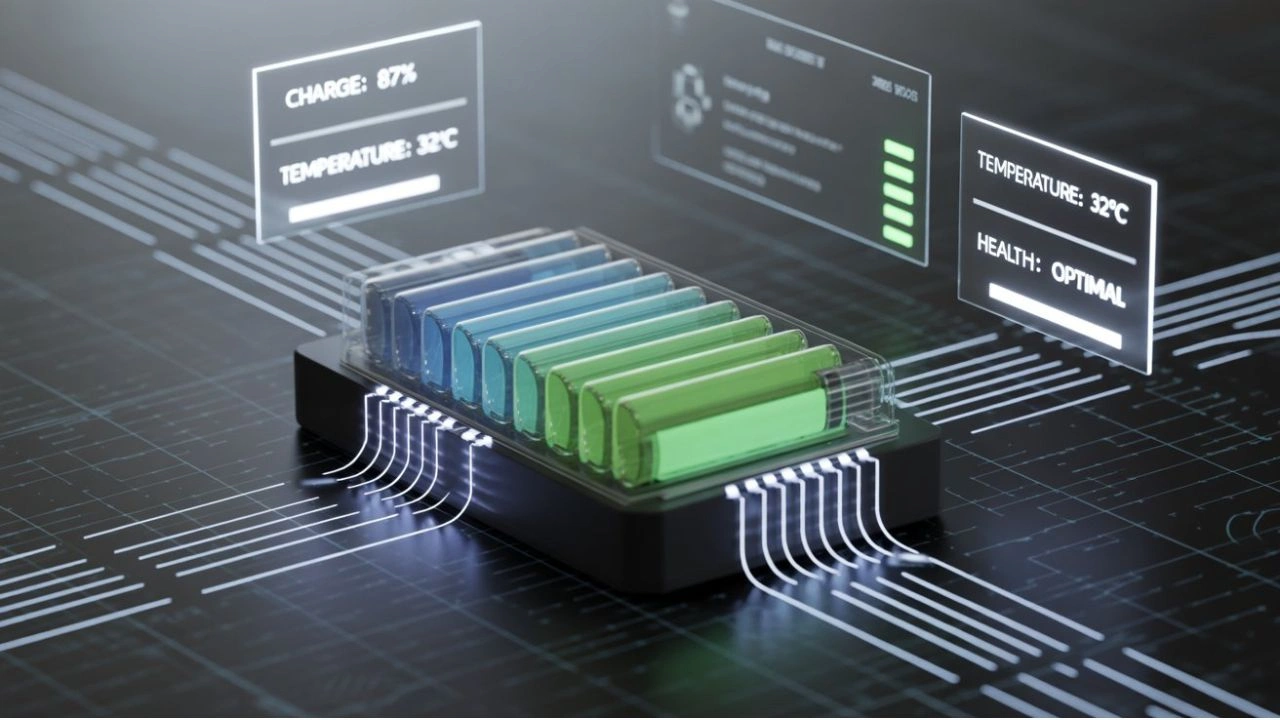
Smart Battery Management: Many drivers are shocked when a car that hasn’t moved for a few days—or even overnight—suddenly refuses to start. The battery seems fine, the car is relatively new, and there were no warning signs. Yet the starter clicks, lights flicker, and the vehicle is dead.
This isn’t bad luck. It’s modern vehicle design.
Today’s cars are computers on wheels. Even when parked, they are never truly “off.” Smart battery management systems, convenience features, security modules, and constant electronic monitoring quietly draw power 24/7. While these systems improve safety and comfort, they also introduce a reality most owners don’t fully understand: modern cars drain batteries even when parked.
This in-depth guide explains why this happens, how smart battery management works, what drains power silently, and—most importantly—how to protect your battery from premature failure.
Why Battery Drain Is More Common in Modern Cars
Older cars could sit for weeks and still start easily. Modern cars often struggle after just a few days.
What Changed?
- Advanced infotainment systems
- Keyless entry and proximity sensors
- Always-on security and tracking modules
- Battery monitoring electronics
- Over-the-air software readiness
These features improve ownership experience—but they never fully sleep.
Read Also: Skoda Superb 2026: The Ultimate Executive Sedan Returns Stronger Than Ever
What “Smart Battery Management” Really Means
Smart battery management systems (BMS) are designed to:
- Monitor battery charge level
- Measure voltage, temperature, and current flow
- Control charging behavior
- Protect electronics from voltage drops
The Irony
These systems consume power themselves to function.
Your car spends energy monitoring the battery—using the battery.
The Myth of “Off”: Why Modern Cars Never Truly Power Down
When you lock your car, multiple systems remain active.
Always-On Systems Include
- Alarm and immobilizer
- Central locking module
- Keyless entry receivers
- Telematics and tracking units
- ECU memory retention
- Clock, sensors, and network communication
Even in sleep mode, small drains add up over time.
Parasitic Drain: The Silent Battery Killer
Parasitic drain refers to the continuous electrical draw when the vehicle is parked.
Normal vs Excessive Drain
- Normal modern car: 20–50 milliamps
- Feature-rich cars: 50–80 milliamps
- Problematic drain: 100+ milliamps
At higher levels, a battery can be drained in days, not weeks.
Keyless Entry Systems: Convenience at a Cost
Keyless entry is one of the biggest contributors to battery drain.
How It Works
- Car constantly searches for the key fob
- Receivers stay active 24/7
- Proximity scanning consumes power
In urban areas with interference:
- System wakes up frequently
- Drain increases
Parking near busy wireless environments can worsen battery drain.
Infotainment and Connected Features
Modern infotainment systems are rarely fully off.
Hidden Power Usage
- System memory retention
- Background software checks
- Clock synchronization
- App connectivity readiness
Some systems periodically wake to:
- Check for updates
- Maintain network status
Telematics, Tracking, and Connected Apps
Many modern cars support:
- Smartphone apps
- Remote locking/unlocking
- Vehicle tracking
- Remote climate control
Battery Impact
- Telematics modules remain active
- Cellular connections consume power
- Frequent app checks increase drain
The more connected your car, the higher the standby consumption.
Battery Health Sensors: Necessary but Power-Hungry
Smart battery sensors:
- Measure current flow
- Detect battery aging
- Adjust charging strategy
These sensors:
- Never completely shut off
- Draw small but constant power
Over long parking periods, this matters.
Security Systems and Alarm Modules
Alarms are designed to:
- Monitor doors, hood, and trunk
- Detect movement or tilt
- Trigger instantly
This requires:
- Continuous sensor readiness
- Power consumption even when parked
Climate Control and Comfort Features That Stay Awake
Features like:
- Memory seats
- Steering position memory
- Automatic climate preconditioning
Maintain stored settings using standby power.
How Short Trips Make Battery Drain Worse
Short drives are a major hidden factor.
Why Short Trips Hurt Batteries
- Starter uses large current
- Alternator doesn’t fully recharge battery
- Smart charging systems limit charging
Result:
- Battery never returns to full charge
- Parasitic drain finishes the job
A battery can die even with “regular use.”
Smart Charging Systems: Not Always Your Friend
Modern alternators don’t charge constantly.
Why?
- Improve fuel efficiency
- Reduce engine load
The Downside
- Battery may stay undercharged
- Particularly in city driving
- Drain becomes more noticeable when parked
Temperature Effects on Parked Battery Drain
Heat
- Accelerates chemical aging
- Increases self-discharge
- Weakens battery faster
Cold
- Reduces available capacity
- Makes starting harder
A parked car in extreme temperatures loses battery health faster.
Warning Signs of Smart Battery Drain
- Car struggles to start after short parking
- Random electronic glitches
- Battery warning messages
- Clock or infotainment resets
- Frequent jump-start needs
These signs indicate battery stress, not just age.
Why Replacing the Battery Doesn’t Always Fix the Problem
Many owners replace batteries—only to face the same issue.
Why?
- Drain source remains active
- Driving habits unchanged
- New battery is stressed immediately
Without managing drain, even a new battery will fail early.
How to Measure Parasitic Drain (Basic Understanding)
Professionals use:
- Multimeters
- Diagnostic tools
But owners should know:
- Drain testing takes time
- Cars must enter sleep mode
- Opening doors resets systems
DIY testing without knowledge can be misleading.
Smart Battery Management Tips for Owners
1. Drive Long Enough
- Aim for 20–30 minutes weekly
- Allow full recharge cycles
2. Reduce App Usage
- Avoid unnecessary remote checks
- Disable features you don’t use
3. Park Smart
- Avoid extreme heat
- Garage parking helps
4. Battery Maintenance Chargers
- Use trickle chargers if parked long-term
- Especially important for feature-rich cars
When to Use a Battery Maintainer
Battery maintainers are essential if:
- Car is parked for more than 1–2 weeks
- You own a luxury or connected vehicle
- Seasonal or secondary car usage
They:
- Prevent deep discharge
- Extend battery life significantly
How Long Modern Cars Can Sit Safely
Approximate guidelines:
- Basic car: 2–3 weeks
- Feature-rich car: 7–14 days
- Luxury/connected car: 5–10 days
These vary by battery condition and climate.
Battery Type Matters More Than Ever
Conventional Lead-Acid
- Cheapest
- Least tolerant of deep discharge
AGM Batteries
- Better for modern electronics
- Handle drain better
- Required in many newer cars
Using the wrong battery type accelerates failure.
Stop-Start Systems: Extra Battery Stress
Stop-start vehicles:
- Use stronger batteries
- Experience frequent cycling
If not driven properly:
- Batteries degrade faster
- Drain issues become severe
Dealer Software Updates and Battery Drain
Software bugs can cause:
- Modules not entering sleep mode
- Excessive background activity
Periodic updates:
- Fix drain issues
- Improve sleep behavior
Always update software when advised.
Buying a Used Modern Car? Check This First
Before buying:
- Test battery health
- Check for software updates
- Inspect electrical history
Battery replacement costs in modern cars can be surprisingly high.
Read Also: Renault Duster 2026: The Legendary SUV Returns to Reclaim Its Throne
Cost of Ignoring Smart Battery Management
Ignoring drain leads to:
- Repeated battery replacements
- Electrical faults
- Stranded situations
- Reduced vehicle reliability
A battery is cheaper than being stuck—but prevention is cheapest.
Quick Smart Battery Management Checklist
- Drive longer trips weekly
- Use a maintainer when parked
- Limit unnecessary electronics
- Replace battery with correct type
- Update vehicle software
Conclusion: Modern Convenience Comes with Power Responsibility
Modern cars offer incredible convenience—but that convenience never sleeps. Smart battery management systems, security modules, and connectivity features quietly drain power every day your car sits still.
Understanding this reality allows you to:
- Adjust driving habits
- Use proper battery care
- Prevent premature battery failure
The battery isn’t weak—it’s overworked.
With smart management, you can enjoy modern features without sacrificing reliability. Ignore it, and your car will remind you—usually when you’re late and the engine won’t start.