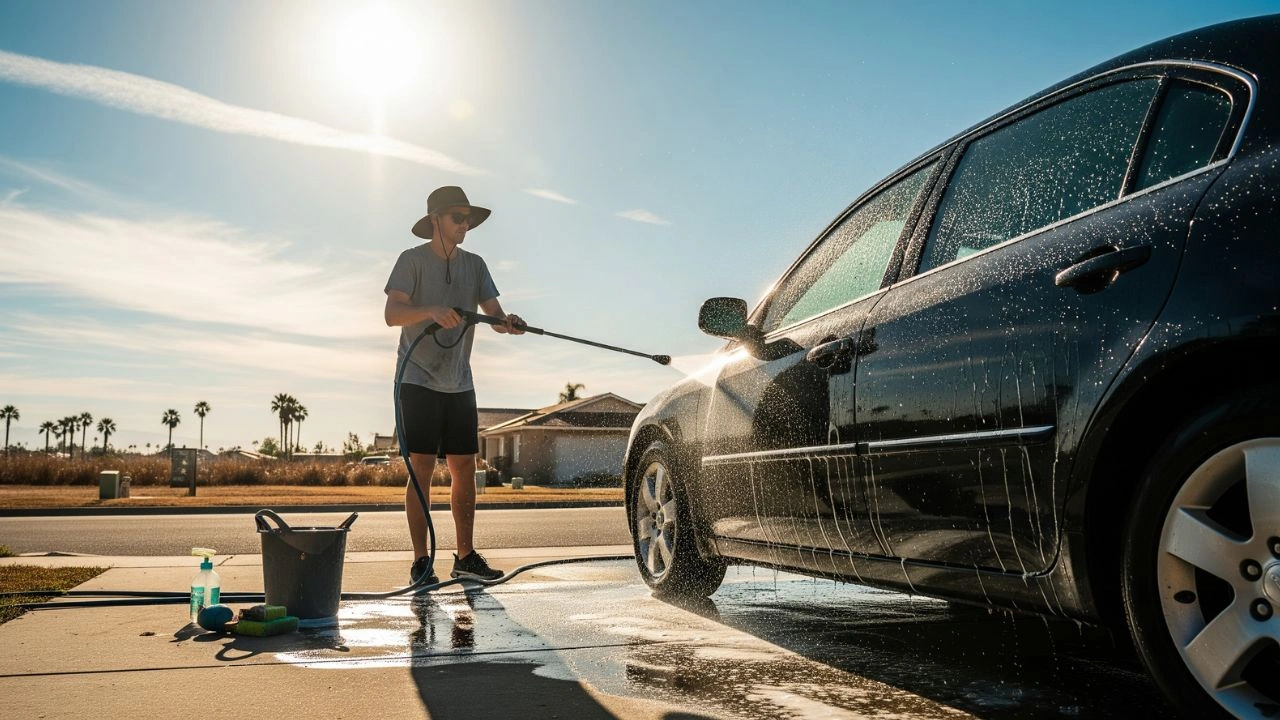
Heatwave Car Care: Heatwaves are no longer occasional seasonal challenges—they are becoming a regular part of modern driving conditions. With temperatures frequently crossing 40°C (104°F) in many regions, cars are being pushed far beyond what most drivers consider “normal” operating conditions. While air conditioning struggles and cabins turn into ovens, the real damage often happens invisibly under the hood and at the wheels.
Extreme heat affects your vehicle in three critical areas: engine oil life, battery health, and tire pressure. These components are essential for safety, performance, and reliability. Ignoring how heat alters them can lead to sudden breakdowns, expensive repairs, and even dangerous situations on the road.
This in-depth guide explains exactly how heatwaves affect your car, why summer damage is different from winter wear, and—most importantly—what practical steps you can take to protect your vehicle during extreme temperatures.
Why Heatwaves Are Especially Hard on Cars
Modern vehicles are engineered to handle a wide range of temperatures, but prolonged extreme heat creates cumulative stress. Unlike cold-weather damage, which is often immediate and noticeable, heat-related damage builds quietly over time.
What Makes Heatwaves Dangerous for Vehicles
- Prolonged high ambient temperatures
- Hot road surfaces transferring heat to tires and suspension
- Increased engine load from air conditioning
- Stop-and-go traffic amplifying heat soak
- Reduced cooling efficiency when air is already hot
Heat doesn’t just raise temperatures—it accelerates chemical breakdown, pressure changes, and material fatigue.
Read Also: Dust and Desert Driving: Engine, Filter, and Turbocharger Maintenance in Harsh Environments
How Extreme Heat Affects Engine Oil Life
Engine oil is your car’s first line of defense against heat and friction. Ironically, heat is also oil’s biggest enemy.
What Engine Oil Does
- Lubricates moving engine parts
- Reduces friction and wear
- Carries heat away from components
- Traps contaminants and debris
When temperatures rise excessively, oil chemistry begins to change.
Oil Breakdown in Heatwaves: What Really Happens
1. Oil Thins Faster
High temperatures reduce oil viscosity, meaning:
- Oil becomes thinner
- Protective film weakens
- Metal-to-metal contact increases
This is especially dangerous during:
- Highway driving
- Hill climbs
- Fully loaded vehicles
2. Oxidation Accelerates
Heat speeds up oxidation, causing oil to:
- Darken quickly
- Lose lubricating properties
- Form sludge and deposits
Oxidized oil cannot protect engine parts effectively.
3. Additives Degrade
Modern oils rely on additives for:
- Cleaning
- Anti-wear protection
- Temperature stability
Extreme heat burns through these additives faster, shortening oil life significantly.
Signs Your Engine Oil Is Suffering from Heat
- Oil turns black much faster than usual
- Engine feels noisier
- Reduced fuel efficiency
- Rough idling or sluggish acceleration
By the time symptoms appear, oil damage is already advanced.
Heatwave Oil Care Tips (Very Important)
- Change oil earlier than recommended during prolonged heatwaves
- Use manufacturer-approved viscosity, not thicker “guesswork” oil
- Prefer full synthetic oil—it handles heat far better
- Check oil level more frequently in summer
- Avoid aggressive driving immediately after startup
In heatwaves, oil change intervals can shorten by 20–30%.
How Extreme Heat Damages Car Battery Health
Many drivers associate battery problems with winter—but summer heat is actually worse for batteries.
Why Heat Is More Dangerous Than Cold for Batteries
Cold reduces battery output temporarily.
Heat permanently damages battery chemistry.
What Heat Does to Your Car Battery
1. Electrolyte Evaporation
High temperatures cause:
- Battery fluid to evaporate
- Reduced charge capacity
- Internal plate damage
Once electrolyte levels drop, damage is irreversible.
2. Accelerated Chemical Reactions
Heat speeds up internal reactions, leading to:
- Faster aging
- Weakened ability to hold charge
- Shortened overall battery life
A battery rated for 4–5 years may last only 2–3 years in extreme heat.
3. Increased Self-Discharge
Batteries lose charge faster when hot, especially if:
- The car is parked unused
- Electronics draw standby power
Warning Signs of Heat-Damaged Batteries
- Slow engine cranking
- Flickering dashboard lights
- Electrical glitches
- Battery warning light
Often, batteries fail suddenly without warning in summer.
Heatwave Battery Care Tips
- Park in shade whenever possible
- Check battery terminals for corrosion
- Test battery health before peak summer
- Replace batteries older than 3 years in hot climates
- Avoid leaving the car unused for long periods
A weak battery in summer can fail faster than you expect.
How Extreme Heat Alters Tire Pressure (And Why It’s Dangerous)
Tires are the only part of your car touching the road—and heat dramatically changes how they behave.
The Science: Heat Expands Air
For every 10°F (5.5°C) increase in temperature, tire pressure rises by 1–2 PSI.
On scorching days:
- Morning pressure readings become inaccurate
- Highway driving further increases pressure
- Overinflation risk rises sharply
Dangers of Heat-Related Tire Pressure Changes
1. Overinflation
Excess pressure causes:
- Reduced tire contact patch
- Poor grip and braking
- Uneven center tread wear
- Higher blowout risk
2. Underinflation (Surprisingly Common)
Many drivers:
- Deflate tires after seeing high readings
- Forget pressure drops when tires cool
Underinflated tires generate even more heat, creating a dangerous cycle.
Heat + Road Temperature = Extra Stress
Asphalt can reach 60–70°C (140–160°F) during heatwaves, causing:
- Faster rubber degradation
- Sidewall stress
- Increased puncture risk
Most summer blowouts are heat-related, not road debris-related.
Heatwave Tire Care Tips
- Check tire pressure early morning (cold tires)
- Follow manufacturer-recommended PSI
- Never release air from hot tires
- Inspect tires for cracks or bulges
- Avoid overloading the vehicle
Proper tire pressure is a safety issue, not just maintenance.
Cooling System Stress During Heatwaves
Although not mentioned enough, heatwaves place enormous stress on cooling systems.
Why Cooling Systems Struggle in Extreme Heat
- Hot air reduces radiator efficiency
- AC increases engine load
- Coolant operates closer to boiling point
A minor weakness becomes a major failure in summer.
Heatwave Cooling System Tips
- Check coolant level regularly
- Ensure correct coolant mixture
- Keep radiator clean and unobstructed
- Watch temperature gauge closely
- Never open radiator cap when hot
Air Conditioning: A Heatwave Load Multiplier
AC is essential—but it also:
- Increases engine load
- Raises operating temperature
- Adds strain on belts and compressors
AC Care Tips During Heatwaves
- Vent hot air before switching AC on
- Use recirculation mode
- Avoid max AC immediately after startup
- Service AC system before summer peaks
Heatwave Driving Habits That Reduce Damage
How you drive matters as much as maintenance.
Smart Heatwave Driving Tips
- Avoid aggressive acceleration
- Take breaks on long drives
- Reduce idling where possible
- Don’t overload the car
- Monitor warning lights closely
Driving gently in extreme heat significantly reduces mechanical stress.
Parking Strategies That Protect Your Car
Where you park during a heatwave makes a real difference.
Best Parking Practices
- Choose shade whenever possible
- Use windshield sunshades
- Crack windows slightly (if safe)
- Avoid parking over hot asphalt for long periods
These steps protect:
- Interior plastics
- Electronics
- Battery
- Dashboard materials
Long-Term Effects of Ignoring Heatwave Car Care
Ignoring heat-related maintenance can lead to:
- Premature engine wear
- Battery failure without warning
- Tire blowouts
- AC system breakdowns
- Reduced resale value
Heat damage is cumulative and often irreversible.
Heatwave Car Care Checklist (Quick Reference)
Weekly During Heatwaves
- Check engine oil level
- Inspect tires visually
- Monitor coolant level
Monthly
- Check tire pressure (cold)
- Inspect battery terminals
- Clean radiator area
Seasonal
- Early oil change
- Battery health test
- AC system check
Conclusion: Heatwaves Demand Smarter Car Care
Heatwaves don’t just make driving uncomfortable—they fundamentally change how your car ages and wears. Engine oil degrades faster, batteries weaken silently, and tire pressure becomes a safety risk rather than a routine check.
The good news? Most heat-related damage is preventable with:
- Awareness
- Slightly earlier maintenance
- Smarter driving habits
In a world where extreme temperatures are becoming the norm, heatwave car care is no longer optional—it’s essential.
Protecting your car during extreme heat doesn’t just save money—it protects your safety, reliability, and peace of mind every time you turn the key.
2 thoughts on “Heatwave Car Care: How Extreme Temperatures Change Oil Life, Battery Health, and Tire Pressure”